
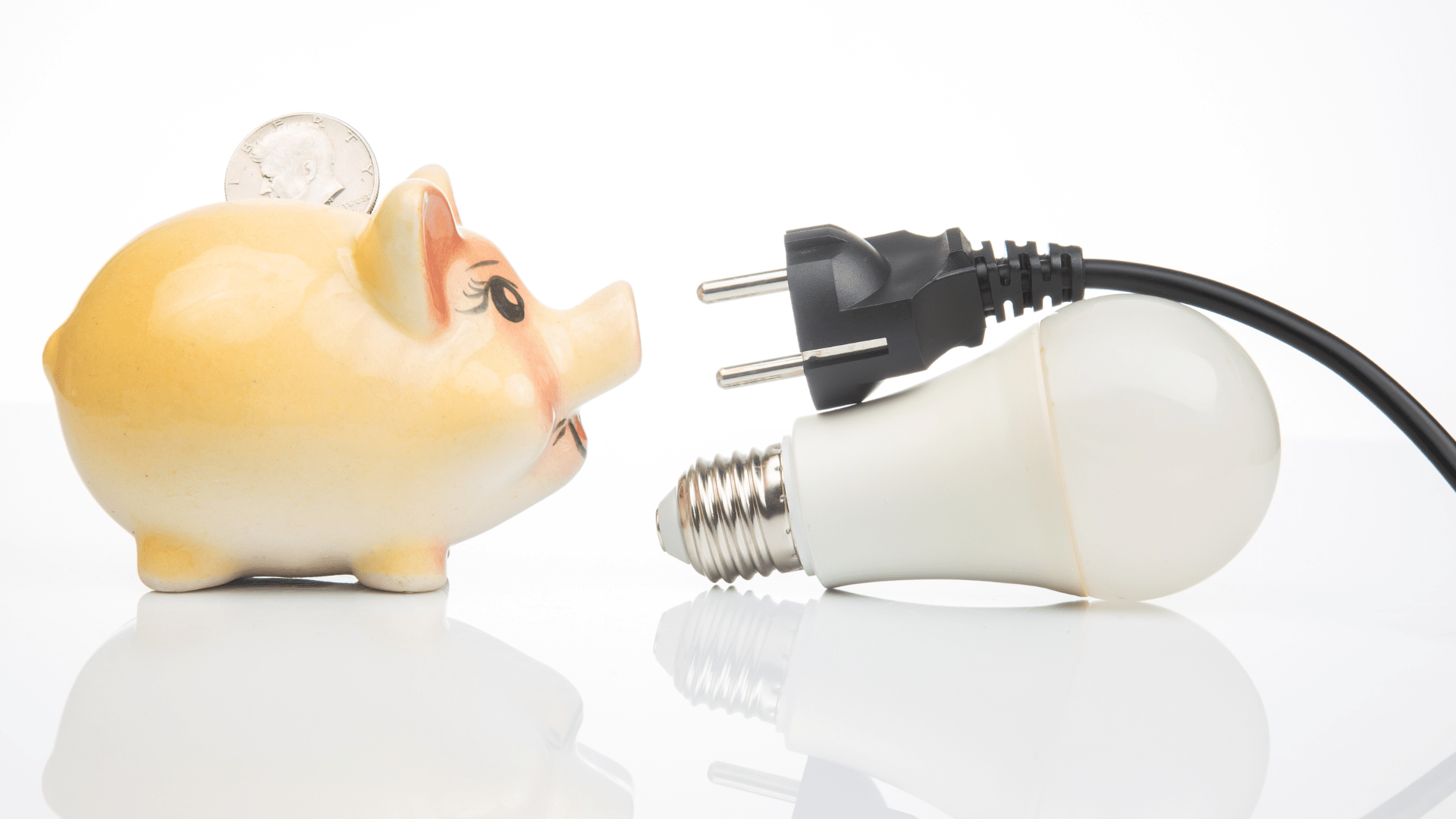
Energy-saving tips at home are one of the simplest ways to lower utility bills, extend your appliances’ lifespan, and create a more comfortable living environment. Many homeowners overlook how much electricity their everyday appliances consume. With a few practical habits and proper maintenance, you can lower energy costs without sacrificing convenience.
Understanding How Appliances Use Energy
Major household appliances account for a large share of your monthly energy use. Refrigerators, washers, dryers, dishwashers, ovens, and HVAC systems naturally require more power to operate. However, small changes in usage, placement, or maintenance can lead to noticeable savings. These energy-saving tips focus on improving efficiency and preventing wasted power throughout your home.
Energy-Saving Tips for Refrigerators and Freezers
Refrigerators run 24 hours a day, making them one of the biggest energy consumers in your home. Keeping them efficient is essential.
Keep the Right Temperature
Set your refrigerator between 37 and 40 degrees Fahrenheit and your freezer at 0 degrees. These ranges keep food safe without forcing the appliance to work harder.
Avoid Overloading the Shelves
Proper airflow helps maintain a consistent temperature. Overpacking the refrigerator makes the compressor work harder and increases energy use.
Clean the Condenser Coils
Dust and debris on coils reduce efficiency. Cleaning the coils every six months helps the refrigerator cool faster and Use less electricity.
Check Door Gaskets
Worn or loose gaskets allow cold air to escape. If you notice condensation around the door, the seal may need replacement.
Proper Placement Matters
Keep the refrigerator away from heat sources such as ovens or direct sunlight. Extra heat increases the workload and raises energy consumption.
Energy-Saving Tips for Washers and Dryers
Your laundry routine plays a major role in energy Use. Improving washer and dryer habits can lower both electricity and water bills.
Wash with Cold Water When Possible
Modern detergents work well in cold water. This simple change can significantly reduce energy Use, especially for frequent loads.
Wait for Full Loads
Running half-full cycles wastes water and electricity. Combine smaller loads when possible.
Clean the Dryer Lint Filter After Every Use
A clean filter improves airflow and helps clothes dry faster. This reduces drying time and prevents the dryer from overheating.
Inspect and Maintain the Dryer Vent
A blocked vent forces the dryer to run longer. Annual vent cleaning improves efficiency and reduces fire risk.
Use High-Spin Settings
A higher spin speed removes more water from clothes, which shortens drying time and saves energy.
Energy-Saving Tips for Dishwashers
Dishwashers can be surprisingly efficient when used correctly.
Run Only Full Loads
Running a half-empty dishwasher wastes water and electricity. Wait until the racks are fully loaded.
Air Dry Instead of Heat Dry
Switching to air dry mode can lower energy use by a noticeable margin.
Keep Spray Arms Clean
Food particles stuck in spray arms reduce water pressure and cleaning performance. Cleaning them regularly helps the dishwasher work more efficiently.
Scrape Food Instead of Pre-Rinsing
Most modern dishwashers do not require pre-rinsing. Avoiding this step saves water and energy.
Energy-Saving Tips for Ovens and Cooktops
Cooking appliances also contribute to your total energy Use. With a few changes, you can make them more efficient.
Avoid Opening the Oven Frequently
Each time the door opens, heat escapes and the oven works harder to recover.
Use the Right Size Burner
Using a small pan on a large burner wastes unnecessary energy.
Take Advantage of Convection Settings
Convection uses circulated heat that cooks food faster and more evenly.
Keep Burners and Reflectors Clean
Clean surfaces transfer heat more efficiently and prevent uneven cooking.
HVAC and Whole-Home Energy-Saving Tips
Heating and cooling systems often contribute most to energy consumption.
Change Filters Regularly
Dirty filters restrict airflow, causing systems to work harder. Replace filters every one to three months.
Keep Vents Clear
Blocked or closed vents strain the system and increase energy use.
Schedule Routine Maintenance
A tuned system runs more efficiently and consumes less power year-round.
These energy-saving tips can help reduce waste, lower monthly bills, and extend the life of your appliances. Simple habits and regular maintenance go a long way toward creating a more efficient home. If you notice any appliance struggling, making unusual noises, or using more power than usual, it may be time for professional service.
Dars Appliance Repair can help keep your appliances running efficiently and safely. For expert maintenance or repair, contact our team.
Need professional appliance service?
Explore our Appliance Repair Services to find the right solution for your appliance, or visit our Service Areas page to see if Dars Appliance Repair serves your location.
Book Here